Your Growth Is Our Mission — Let’s Build a Better Future Together

Liver disease
Stay safe
GOA Community Services
10/23/20252 min read
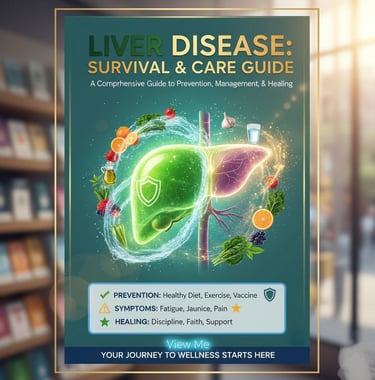
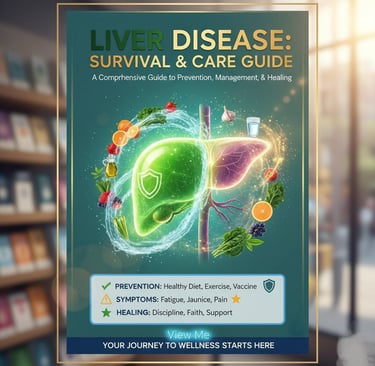
Disease: Liver disease
How people contract it:
Liver disease can develop from various causes, including excessive alcohol consumption, viral infections such as hepatitis A, B, or C, obesity, and long-term exposure to toxins or certain medications. It can also result from genetic conditions or autoimmune disorders that affect liver function.Symptoms:
The symptoms of liver disease can vary depending on the cause and stage, but may include fatigue, nausea, abdominal pain or swelling, yellowing of the skin and eyes (jaundice), dark urine, pale stool, and unexplained weight loss. In severe cases, liver failure can occur, which is a life-threatening condition requiring urgent medical care.Prevention:
To prevent liver disease, it’s essential to maintain a healthy lifestyle. Avoid excessive alcohol consumption, get vaccinated against hepatitis A and B, maintain a healthy weight, and avoid sharing needles or personal items that may carry blood. Regular exercise, a balanced diet, and avoiding unnecessary medications or toxic substances can also help protect the liver.Daily life risks:
Liver disease risk can be increased by lifestyle habits such as drinking alcohol frequently, consuming a diet high in processed fats and sugars, or being exposed to contaminated food or water. People who use certain medications long-term or have a family history of liver conditions should take extra precautions and have regular checkups.If infected:
If you suspect you have liver disease or notice symptoms such as persistent fatigue, jaundice, or abdominal swelling, seek medical attention immediately. Early diagnosis is vital, as many liver diseases can be managed or even reversed if detected early. Treatment may include medication, lifestyle changes, or in severe cases, liver transplantation.Foods that help:
A liver-friendly diet focuses on natural, nutrient-rich foods. Include plenty of fruits and vegetables, whole grains, lean proteins, and foods rich in antioxidants, such as berries and leafy greens. Avoid processed foods, sugary drinks, and high-fat meals. Drinking plenty of water and consuming foods like garlic, green tea, and fish rich in omega-3 fatty acids can help support liver function and reduce inflammation.Words of encouragement:
If you are living with liver disease, remember that healing is possible with the right care, discipline, and faith. Take one day at a time and follow your treatment plan closely. Make healthy choices, keep a hopeful heart, and surround yourself with people who encourage your journey to wellness. You are stronger than you think, and your body has the power to heal when you nurture it with love, patience, and faith.